
Under Deck Drainage & Ceiling Systems
Turn the wasted space beneath your elevated deck into a dry, usable outdoor room — even during Portland’s rainiest months.
How the System Works
Our underdeck waterproofing system uses multiple layers of protection: a durable membrane catches water between deck boards, channels it to a gutter system, and directs it safely away from the area below. This engineered approach ensures complete water management, protecting your outdoor furniture, lighting, and entertainment space from Oregon’s frequent rain.


Beautiful Finished Ceilings
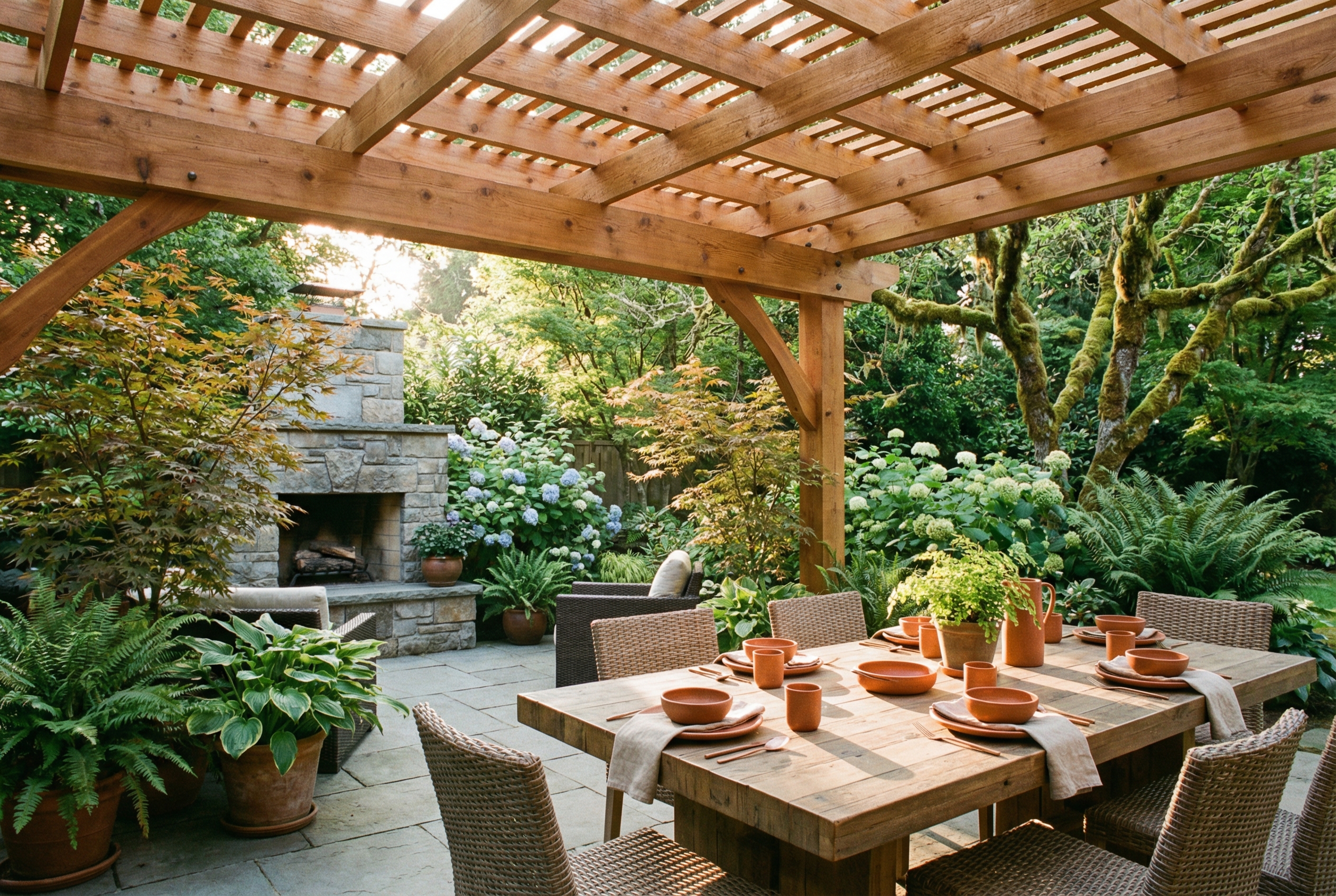
Our underdeck systems transform the space beneath your elevated deck into a beautiful, dry, and usable outdoor area. The finished ceiling panels create a clean, attractive look from below while channeling water away from the living space, giving you an entirely new room to enjoy year-round in the Portland area.
How Under Deck Drainage Systems Work
If you have a second-story or elevated deck, you are sitting on a goldmine of unused outdoor space. The area beneath your deck could be a dry patio, an outdoor kitchen, a storage zone, or simply a rain-free place to relax on the 155 rainy days Portland averages each year. All it takes is an under-deck drainage system to capture the water that falls between your deck boards and channel it away.
Under-deck systems are one of the smartest investments Portland homeowners can make. For a fraction of the cost of building a covered structure, you effectively double your usable outdoor square footage. The space below stays dry even during heavy Northwest downpours, and the ceiling panels give the underside of your deck a clean, finished appearance instead of exposed joists and hardware.
Next Level Decks & Exteriors installs the leading under-deck drainage systems and has built dozens of these systems across Portland, Beaverton, Lake Oswego, and the surrounding metro area. We handle everything from the drainage membrane to the finished ceiling, gutters, and downspouts.
100%
Dry Space Below
8mo
Rain Protection
2x
Your Living Space
How Under Deck Drainage Systems Work
Every under-deck system operates on the same basic principle: a waterproof membrane or trough system is installed between or beneath the deck joists to catch water that drains through the gaps between deck boards. The water is channeled along a slight slope toward a gutter at the outer edge of the deck, then directed down through downspouts to your yard’s drainage system.
Above-Joist Systems (Membrane): These install a waterproof membrane on top of the joists, underneath the deck boards. The membrane creates a continuous waterproof plane that directs water toward a collection gutter. Trex RainEscape is the leading above-joist system — it uses a butyl-based membrane that is stapled to the tops of the joists before the deck boards go down. This is the most effective approach because water never reaches the joist cavity, keeping the entire substructure dry.
Below-Joist Systems (Trough/Panel): These install aluminum or vinyl panels beneath the joists, creating a ceiling that doubles as a drainage system. The panels interlock and slope toward a gutter. Zip-Up UnderDeck is the most popular below-joist system — its aluminum panels snap into tracks mounted to the bottom of the joists and can be installed on existing decks without removing any deck boards.
Which Is Better? Above-joist membranes provide superior waterproofing and protect the joists from moisture, but they can only be installed during new construction or a full deck board replacement. Below-joist panel systems can be retrofitted to any existing elevated deck, making them the go-to choice for homeowners who want to add drainage without rebuilding.
Trex RainEscape: The Gold Standard
Trex RainEscape is our most-recommended under-deck system for new deck builds and full re-decking projects. Here is why it outperforms other options in Portland’s demanding climate:
Complete Joist Protection: The butyl membrane wraps over the top of each joist, meaning the structural framing never contacts standing water. In Portland, where moisture is the primary enemy of deck longevity, this added protection can extend the life of your joists by a decade or more.
Trough Design: The membrane creates a natural trough between each pair of joists. Water flows along the trough to a collection gutter at the deck’s edge. The system handles even heavy rain without overflow.
Lighting and Fan Integration: RainEscape troughs are wide enough to accommodate recessed lighting, ceiling fans, and speakers between the joists. We can wire the under-deck space for a complete outdoor living experience — lights on a dimmer, a fan for summer evenings, and Bluetooth speakers for entertaining.
Installation: RainEscape must be installed before the deck boards are laid, making it ideal for new builds or complete re-decks. The membrane is rolled out over the joists, stapled to the joist tops, and sealed at seams with the included butyl tape. Downspout locations are planned in advance and integrated into the gutter run.
Cost: Trex RainEscape adds approximately $3-$6 per square foot to your deck project cost, depending on the complexity of the layout and the number of downspout runs required.
Zip-Up UnderDeck: The Retrofit Solution
For homeowners who want to add under-deck drainage to an existing elevated deck without tearing up the deck boards, Zip-Up UnderDeck is the premier solution. This aluminum panel system installs entirely from below and transforms the underside of your deck into a clean, finished ceiling that channels water to a perimeter gutter.
How It Works: Aluminum tracks are screwed to the bottom of each joist. Interlocking aluminum panels snap into the tracks at a slight slope (about 1/4 inch per foot) to direct water toward the outer edge. A gutter collects the water and routes it to downspouts.
Retrofit-Friendly: No deck boards need to be removed. No structural modifications are required. The entire system installs from underneath using a ladder or scaffolding. Most installations are completed in 1-3 days depending on the deck size.
Appearance: The aluminum panels create a clean, bright ceiling underneath your deck. They come in white and beige, and the smooth surface is easy to clean with a garden hose. The finished look is a dramatic improvement over exposed joists, cobwebs, and dripping water.
Durability: Aluminum does not rust, rot, warp, or support mold growth — all critical advantages in Portland’s wet climate. The panels carry a 20-year warranty against manufacturing defects.
Cost: Zip-Up systems typically run $8-$15 per square foot installed, including the gutter and downspout system. For a 300 square foot under-deck area, expect a total project cost of $3,000-$5,000.
Creating a Dry Outdoor Living Space Below
Once the drainage system is in place, the dry space beneath your deck becomes a blank canvas for outdoor living. Here are the most popular ways Portland homeowners use their newly reclaimed under-deck areas:
Covered Patio: Add a concrete pad or paver patio, some outdoor furniture, and you have a rain-proof outdoor living room. This is the most common use we see — a place to sit outside during Portland’s frequent light rain without getting wet.
Outdoor Kitchen/Bar: The dry ceiling protects grills, refrigerators, and countertops from rain. We can integrate gas lines, electrical outlets, and lighting into the under-deck space during installation. A covered outdoor kitchen extends your entertaining season from 4-5 months to nearly year-round.
Storage: The dry space is perfect for storing patio furniture cushions, garden tools, bikes, and other items that you want accessible but protected from rain. Adding lockable lattice walls or screens creates a secure storage area.
Hot Tub Enclosure: Many Portland homeowners place their hot tub beneath the upper deck with a drainage system above. This creates a sheltered, private soaking area that stays dry overhead while remaining open to the sides for ventilation and views.
Lighting and Electrical: We always recommend planning for electrical during installation. Recessed LED lights, pendant fixtures, or string lights transform the under-deck space into an inviting area for evening use. In Portland, where it gets dark by 4:30 PM in winter, good lighting is essential for year-round enjoyment.
Portland's 8-Month Rain Season: Why Under Deck Systems Pay Off
Portland receives measurable precipitation on an average of 155 days per year, with the heaviest months running from October through May. That is roughly eight months of regular rain. Without a drainage system, the space beneath an elevated deck is essentially unusable for most of the year — it is dripping, damp, and covered in moss and algae.
An under-deck drainage system fundamentally changes the equation. That space becomes dry and usable 365 days a year. You effectively double the functional outdoor living area of your home for an investment that typically represents just 10-15% of what the upper deck cost to build.
From a return-on-investment perspective, under-deck systems are one of the best outdoor improvements you can make in the Pacific Northwest. They increase usable square footage, improve the appearance of the deck from below, and protect the structural framing from the moisture damage that is the leading cause of deck failure in our climate.
Your outdoor space should be an extension of your home — not an afterthought.
Why Choose Next Level Decks & Exteriors
Authorized Installers: We are factory-trained and authorized installers for both Trex RainEscape and Zip-Up UnderDeck systems. Our installations follow manufacturer specifications to maintain your full product warranty.
Complete Outdoor Build-Out: We do not just install the drainage membrane — we handle the entire under-deck transformation including patio construction, lighting, electrical, and finish work. One contractor, one project, one warranty.
Portland Rain Expertise: We have designed dozens of under-deck systems specifically for Portland’s heavy rainfall. We size gutters and downspouts for Northwest storm volumes, not national averages, ensuring your system handles even heavy downpours without overflow.
Retrofit Specialists: Already have an elevated deck? We can add a Zip-Up panel system without removing a single deck board. Most retrofit installations are completed in 1-3 days with minimal disruption.
Frequently Asked Questions
Yes. Below-joist systems like Zip-Up UnderDeck install entirely from underneath your existing deck — no deck boards need to be removed or disturbed. The aluminum panels mount to tracks attached to the bottom of your joists and create a finished ceiling that channels water to a gutter. Most retrofit installations take 1-3 days. Above-joist membrane systems like Trex RainEscape require removing the deck boards and can be installed during a re-decking project.
Costs vary by system type and deck size. Trex RainEscape (above-joist membrane) adds $3-$6 per square foot to a new deck or re-decking project. Zip-Up UnderDeck (below-joist panels) typically costs $8-$15 per square foot installed, including gutters and downspouts. For a typical 300 square foot under-deck area, expect a total investment of $2,500-$5,000 for a complete system.
Absolutely. Both Trex RainEscape and Zip-Up UnderDeck are designed to handle heavy rainfall. We size the collection gutters and downspouts specifically for Portland’s storm volumes, which can exceed one inch per hour during peak events. The systems channel water efficiently to downspouts, keeping the space below completely dry even during the heaviest Northwest rainstorms.
Yes, and we highly recommend it. Both membrane and panel systems accommodate recessed LED lights, ceiling fans, pendant fixtures, and even speakers between the joists. We plan electrical runs during the installation process so wiring is concealed within the joist cavities. Given Portland’s early winter darkness, lighting is essential for getting year-round use from your under-deck space.
Maintenance is minimal. Clean the panels or membrane once or twice a year with a garden hose to remove pollen, dust, and cobwebs. Check the gutters and downspouts each fall to clear leaves and debris — especially important in Portland where deciduous trees drop heavily in October and November. Inspect the seams annually and reseal any that show wear. A well-maintained system will last 20+ years.
Ready to Get Started?
Schedule a free on-site consultation. We’ll assess your property, discuss your vision, and provide a detailed estimate — no pressure, no obligation.