
Fence Repair Services in Portland
Leaning posts, rotted boards, storm damage — we fix it fast so your property stays secure and your yard stays private.
Common Fence Damage in Portland
Portland’s weather is relentless on fences. Heavy rain saturates the soil and rots post bases. Winter windstorms snap boards and push entire fence sections over. Moss and moisture break down wood fibers from the surface in. And the city’s dense tree canopy means falling branches damage fences throughout the year. If your fence is leaning, has broken or missing boards, or suffered storm damage, you need a repair crew that can diagnose the cause and fix it right — not just patch the symptoms.
Next Level Decks & Exteriors provides prompt fence repair service throughout the Portland metro area. We handle everything from single-board replacements to major storm damage repairs, including post replacement, panel rebuilding, gate realignment, and complete section reconstruction. Our goal is to restore your fence’s structural integrity and appearance as quickly as possible while matching the existing materials and style.
Most fence repairs can be completed in one day, and we offer same-week scheduling for urgent situations like storm damage, fallen sections, and security concerns. We carry common fence materials on our trucks so we can handle many repairs on the first visit.
24hr
Emergency Response
1-day
Most Repairs Done
100%
Material Match
Common Fence Damage in Portland
After years of repairing fences across Portland, Beaverton, Tigard, Lake Oswego, Gresham, and Hillsboro, we see the same types of damage over and over. Understanding what is causing your fence to fail helps determine the right repair approach.
Post Rot: This is the number-one fence failure in Portland. Posts rot at ground level where moisture is constant, especially in Portland’s clay-heavy soil that holds water against the wood. You will notice the fence starting to lean in one direction — that is the post losing its structural base. By the time you see leaning, the post has typically rotted through 50% or more of its cross-section at the ground line. Fixing a rotted post requires either full post replacement or installing a steel post mender (a bracket that extends below the rot line and restores support).
Wind Damage: Portland’s windstorms — especially the East Gorge wind events in late fall and winter — generate sustained winds of 40-60 mph with gusts exceeding 80 mph. Solid privacy fences act as sails, catching the full force of the wind. Weakened posts snap, boards blow off, and entire fence sections can be laid flat. Windstorm damage often reveals pre-existing problems: posts that were already rotted, rails that were nailed instead of screwed, and fences that were not properly braced.
Tree and Branch Damage: Portland’s urban canopy is one of the city’s great assets, but trees and fences are often in conflict. Falling branches break fence boards and dislodge rails. Tree roots push against post footings, causing sections to lean. Overhanging limbs drip moisture onto the fence, accelerating rot in localized areas. We repair the fence damage and can often identify and trim the offending branches to prevent repeat damage.
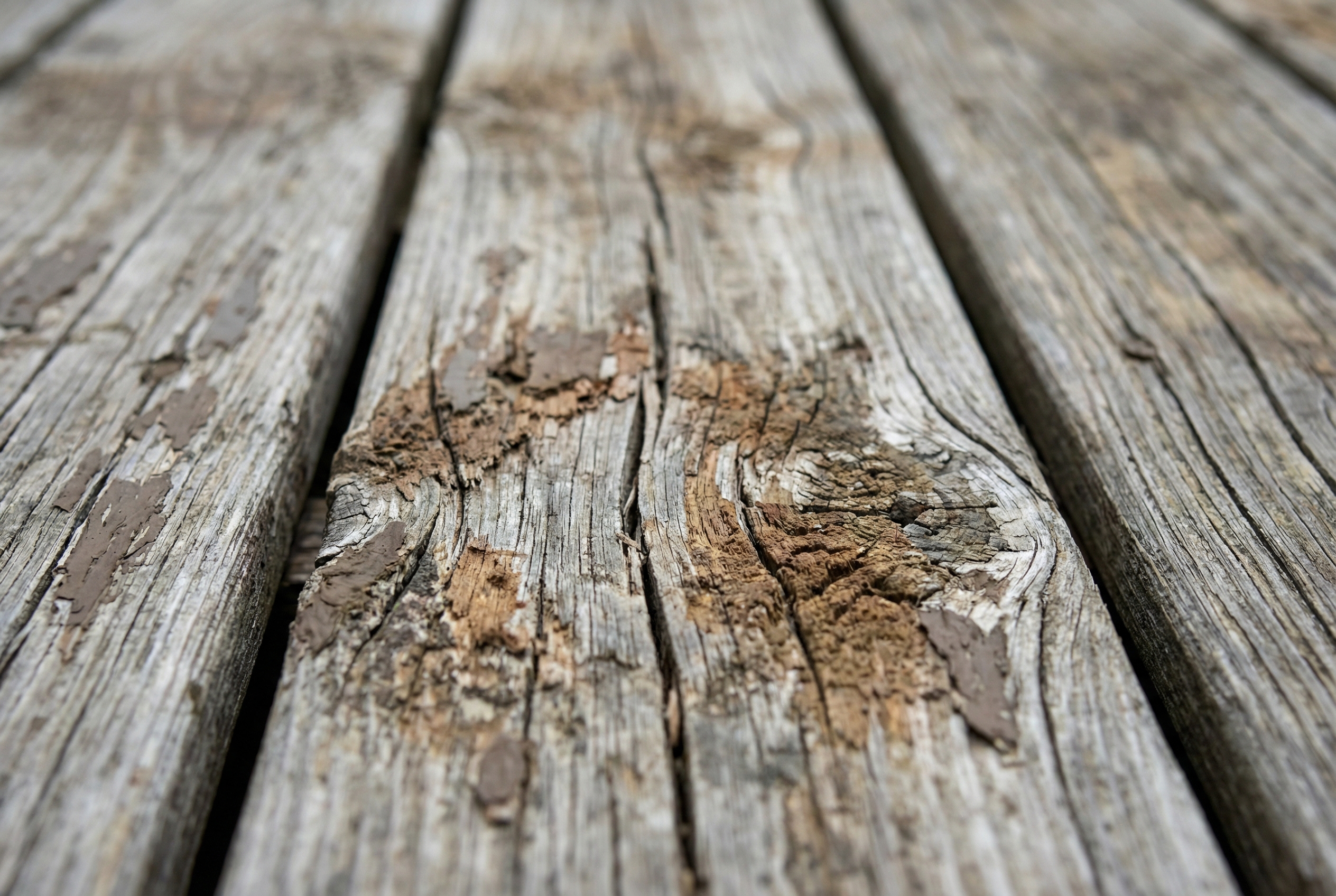
Moisture and Moss Damage: Portland’s pervasive moisture grows thick moss on fence surfaces, particularly north-facing sections and areas in deep shade. Moss holds moisture against the wood, accelerating surface decay. Fence boards develop soft spots, crumbling edges, and a spongy texture. Regular cleaning and staining prevents this, but once the damage is done, affected boards need to be replaced.
Post Repair & Replacement
When a fence post fails, you have two options: repair it in place or replace it entirely. The right choice depends on the extent of the damage and the condition of the rest of the fence.
Steel Post Mender (Repair): If the post has rotted at the ground line but the upper portion is still solid, a steel post mender can restore the fence without removing the post. We dig around the base, cut away the rotted section, and drive a galvanized steel bracket into the ground or into the existing concrete footing. The bracket is bolted to the remaining post, restoring structural support. This is faster and less expensive than full replacement and works well when only one or two posts are affected.
Full Post Replacement: When the rot extends above the ground line or the post is cracked, broken, or severely leaned, full replacement is necessary. We remove the old post and concrete footing, dig a new hole to proper depth (24-30 inches), set a new post in concrete with gravel drainage at the bottom, and reattach the rails and boards. For Portland’s wet soil, we install the new post with a few inches of clearance between the post bottom and the hole bottom, filled with gravel, so water never pools against the end grain.
Preventive Upgrade: When replacing posts, we recommend upgrading to 6×6 posts (instead of the standard 4×4) for increased durability and wind resistance. We also apply a post-preservative coating to the buried portion and use pressure-treated posts rated for ground contact (UC4A or UC4B rating) — many posts on older Portland fences used lumber rated only for above-ground use, which explains why they rotted so quickly.
Panel & Board Replacement
Replacing broken, rotted, or missing fence boards is one of the most common repair jobs we perform. The goal is to restore the fence section to full coverage and structural integrity while matching the existing materials as closely as possible.
Individual Board Replacement: When only a few boards are damaged, we remove the failed boards and replace them with matching lumber — same species (cedar or PT pine), same dimensions, same profile (dog-ear, flat-top, or shaped). New boards will initially look lighter than the surrounding aged boards. If the fence is stained, we apply matching stain to the new boards. If it is natural/weathered, the new boards will weather to match within 6-12 months.
Section Rebuild: When multiple boards in a section are damaged or when the rails between posts have failed, we rebuild the entire section — new rails and new boards between the existing posts (if the posts are sound). This ensures consistent appearance and structural quality across the repaired area.
Material Matching: We carry standard cedar fence boards on our trucks and can match most common profiles on the first visit. For unusual dimensions, custom profiles, or specific species, we source matching lumber from Portland-area suppliers (typically 1-3 day lead time) to ensure a seamless repair.
Gate Repair & Realignment
Gates are the hardest-working part of any fence — opened and closed thousands of times, they endure stress that the rest of the fence does not. Gate problems are among the most common repair requests we receive.
Sagging Gates: The most common gate problem. Gravity and repeated use pull the gate frame out of square, causing the latch side to drop and the gate to drag on the ground. The fix depends on the cause: if the gate frame has racked (become a parallelogram instead of a rectangle), we replace the internal diagonal brace with a steel tension cable or steel angle brace. If the gate post has tilted, we reset or replace the post.
Gate Post Stabilization: Gate posts take enormous stress compared to line posts — every time the gate swings, it applies leverage to the post. Gate posts should be set in 30-36 inches of concrete (deeper than line posts) and ideally be 6×6 lumber instead of 4×4. When a gate post rocks or leans, we dig around the base, add concrete to enlarge the footing, or replace the post entirely with a larger one set deeper.
Hardware Replacement: Worn hinges, broken latches, and failed spring closers are straightforward fixes. We carry heavy-duty gate hardware on our trucks and can upgrade your existing hardware to commercial-grade components during any gate service visit.
Storm Damage & Emergency Repairs
Portland’s windstorms can flatten entire fence lines in a single night. When you wake up to a fence on the ground, you need a repair crew that can respond quickly and handle the full scope of damage.
Our Storm Response: We prioritize storm damage repairs and offer same-week scheduling for emergency situations. We carry standard materials on our trucks and can often begin repairs the same day or next day after a storm event.
Insurance Claims: Most homeowner’s insurance policies cover fence damage from storms, falling trees, and other sudden events (but not damage from gradual deterioration like rot). We provide detailed documentation — photos of the damage, a written description of the cause, and a line-item repair estimate — that you can submit directly to your insurance company. We work with your adjuster as needed to ensure fair claim resolution.
Temporary Securing: If full repair is not possible immediately (due to material availability, insurance processing, or scheduling), we can temporarily secure fallen sections with T-posts and wire to restore basic boundary marking and pet containment until permanent repairs are completed.
Your outdoor space should be an extension of your home — not an afterthought.
Why Choose Next Level Decks & Exteriors
Fast Response: Same-week scheduling for most repairs, with emergency priority for storm damage and security concerns. We carry common fence materials on our trucks for same-day fixes on straightforward jobs.
Accurate Diagnosis: We do not just patch symptoms — we identify the root cause of fence failure and fix it properly. When a fence leans, we determine whether the post has rotted, the footing has shifted, or the rails have detached, and we address the actual problem.
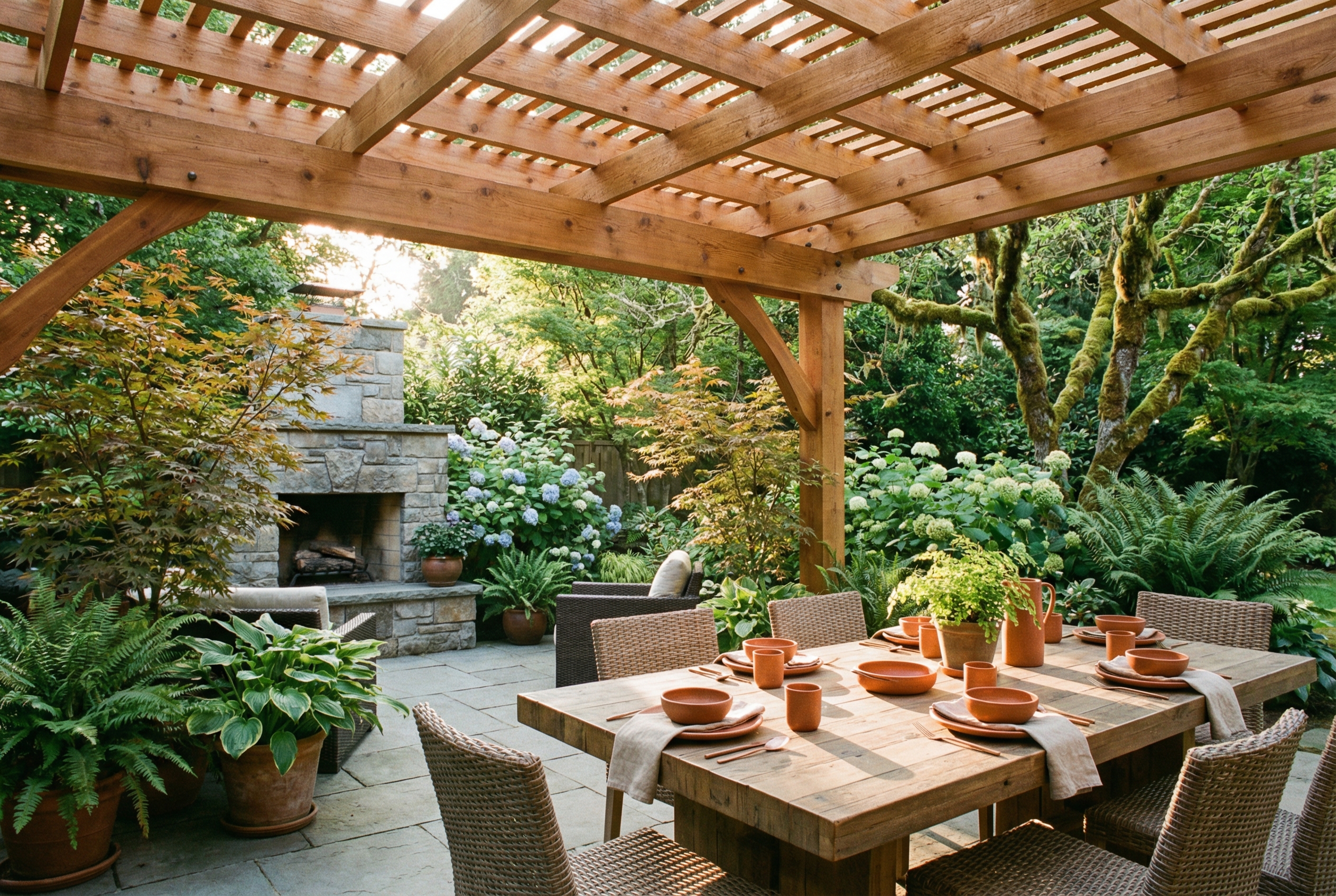
Material Matching: We match existing fence materials, profiles, and finishes so repairs blend seamlessly with the rest of your fence. No mismatched boards, no obviously patched sections.
Insurance Documentation: For storm damage repairs, we provide detailed photo documentation and line-item estimates that meet insurance company requirements for claims processing.
Frequently Asked Questions
In many cases, yes. If the fence boards and rails are in good condition and only the posts are failing, we can replace just the rotted posts or install steel post menders to restore the fence to plumb. If most of the posts are leaning, the fence is generally past the point of cost-effective repair and replacement is the better investment. We assess every leaning fence individually and give you an honest recommendation.
Most homeowner’s insurance policies cover fence damage from sudden events like windstorms, falling trees, vehicle impacts, and vandalism. Damage from gradual deterioration (rot, aging, normal wear) is typically not covered. We provide the documentation your insurance company needs — photos, damage descriptions, and detailed repair estimates. The deductible applies, so small repairs may not be worth filing a claim.
We prioritize storm damage repairs and can typically begin work within 1-3 days of your call. For emergency situations where the fence is creating a safety hazard or security concern, we offer same-day temporary securing. After major storm events affecting many homes, demand for repair crews is high, so we recommend calling as soon as possible to get on our schedule.
Yes. We carry standard cedar and PT pine fence boards in common dimensions and profiles. For most repairs, we can match your existing fence on the first visit. If your fence uses unusual dimensions or profiles, we source matching materials from Portland-area suppliers with a typical 1-3 day lead time. New boards will initially look lighter than aged boards but will weather to match within 6-12 months.
Use pressure-treated posts rated for ground contact (UC4A or UC4B), set them in concrete with 4-6 inches of gravel at the bottom of the hole for drainage, and crown the concrete above grade so water sheds away from the post. Applying a post-preservative coating (like copper naphthenate) to the buried portion adds extra protection. Avoid letting soil, mulch, or debris pile up against the post base — keeping airflow at ground level helps posts dry out between rain events.
Ready to Get Started?
Schedule a free on-site consultation. We’ll assess your property, discuss your vision, and provide a detailed estimate — no pressure, no obligation.